
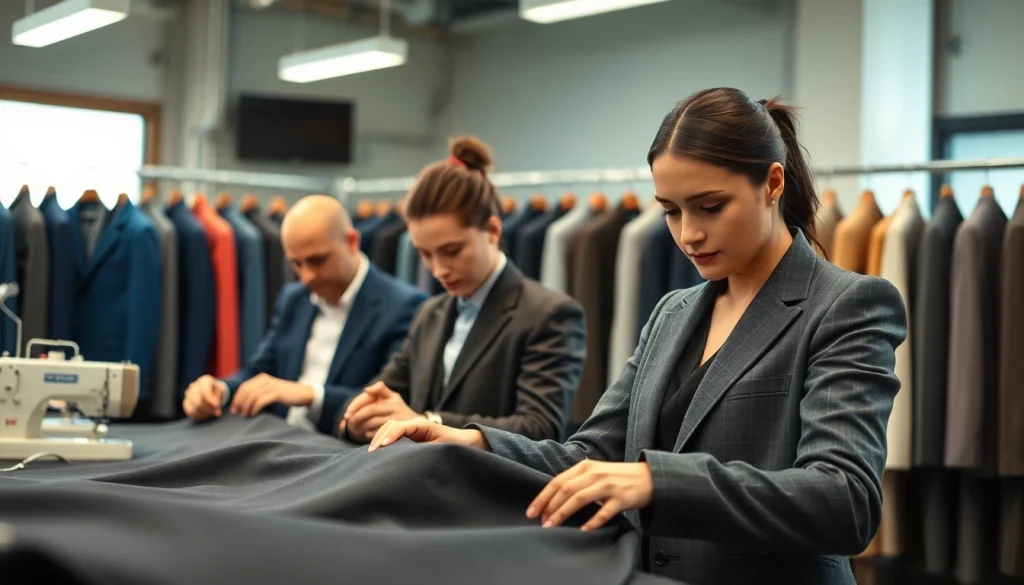
Understanding the Role of an Apparel Manufacturer
The apparel manufacturing industry serves as a foundational pillar of the global fashion ecosystem. At its essence, an Apparel Manufacturer is responsible for creating a wide array of garments that meet diverse consumer demands. This process involves intricate design, production, and distribution strategies, ensuring that the right products are delivered to the market efficiently and cost-effectively.
The Importance of Quality in Apparel Manufacturing
Quality in apparel manufacturing is paramount. It influences brand reputation, customer satisfaction, and overall market success. High-quality garments not only enhance customer loyalty but also reduce returns and increase profitability. Manufacturers focus on superior materials, skilled craftsmanship, and rigorous quality control processes to meet or exceed consumer expectations. Additionally, establishing quality benchmarks can help mitigate defects and optimize production efficiency, which is essential for long-term competitiveness.
Steps in the Apparel Manufacturing Process
The apparel manufacturing process involves several well-defined stages that facilitate the transition from concept to retail. These include:
- Design and Prototyping: The initial phase where designers create concepts, sketches, and digital prototypes.
- Material Sourcing: Securing high-quality fabrics and trims from reliable suppliers ensures product durability.
- Production Planning: Establishing a production timeline, specifying quantities, and scheduling resources.
- Cuts and Assembly: Actual garment construction takes place, including cutting fabric and sewing pieces together.
- Finishing and Quality Checks: Final touches, such as ironing and tagging, are added, followed by comprehensive quality assessments.
- Distribution: Finished products are shipped to retailers or directly to consumers.
Key Trends Impacting Apparel Manufacturing
The apparel manufacturing industry is constantly evolving, driven by consumer preferences, technology, and sustainability considerations. Currently, key trends include:
- Sustainability: Increasing demand for eco-friendly materials and ethical production practices.
- Technological Advancements: Utilizing automation, AI, and data analytics to streamline operations.
- Customization: Rising preference for personalized products tailored to individual tastes.
- Fast Fashion vs. Slow Fashion: A growing debate concerning the sustainability of rapid production cycles.
Challenges Faced by Apparel Manufacturers
While the opportunities within apparel manufacturing are vast, several challenges persist that require strategic solutions.
Material Sourcing and Sustainability Issues
As consumers become increasingly aware of environmental issues, manufacturers face pressure to source sustainable materials. This can complicate supply chains, often leading to higher costs and the challenge of verifying supplier practices. Emphasizing partnerships with certified vendors and investing in sustainable technologies are practical strategies to address these challenges.
Keeping up with Fashion Trends
Rapid changes in consumer preferences necessitate agility in apparel manufacturing. Manufacturers must continuously monitor fashion trends and adapt their offerings accordingly. Establishing a responsive production model that can quickly pivot in response to trends can create a competitive edge, allowing brands to capitalize on emerging styles without incurring excessive lead time.
Logistics and Distribution Challenges
Efficient logistics and distribution are crucial for maintaining product availability and customer satisfaction. Challenges arise from global supply chains, lead times, and transportation costs. Implementing integrated logistics solutions and leveraging technology for real-time tracking can lead to improved efficiency and reduced operational costs.
Best Practices for Apparel Manufacturers
Successful apparel manufacturers implement best practices that enhance productivity, quality, and customer service.
Implementing Lean Manufacturing Techniques
Lean manufacturing improves efficiency by eliminating waste in production processes. Techniques such as value stream mapping can help identify inefficiencies, streamline operations, and enhance overall productivity. Training employees in lean practices fosters a culture of continuous improvement.
Effectively Managing Supply Chain Relationships
A robust supply chain is vital for an apparel manufacturer’s success. Building strong relationships with suppliers and stakeholders results in better communication, reliability, and resource availability. Practices such as collaborative forecasting and shared risk management can enhance relationships and foster mutual growth.
Incorporating Technology in Production
Embracing technology, from advanced manufacturing systems to digital marketing tools, can significantly impact efficiency and scalability. Automation in production processes not only reduces labor costs but also minimizes human error. Additionally, utilizing data analytics for market research and consumer insights allows for informed decision-making and forecasting.
Marketing Strategies for Apparel Manufacturers
Articulating a clear marketing strategy is essential for apparel manufacturers aiming to stand out in a crowded marketplace.
Building a Strong Brand Identity
A strong brand identity encompasses visual elements, mission statements, and core values that resonate with target consumers. Effective brand storytelling can enhance emotional connections and differentiate a brand from competitors. Consistency across all marketing platforms strengthens recognition and trust.
Leveraging Social Media for Engagement
Social media platforms enable manufacturers to directly engage with consumers, receive feedback, and promote products. Employing a strategic social media plan can help brands build community and stimulate conversations around their products. Influencer partnerships can also amplify reach and credibility.
Partnerships and Collaborations in Fashion
Strategic partnerships can open new avenues for growth in apparel manufacturing. Collaborating with designers, retailers, or other brands can lead to innovative product offerings and shared resources. Co-branding and limited-edition collaborations can also create buzz and attract new customers.
Measuring Success as an Apparel Manufacturer
To gauge success and inform future strategies, apparel manufacturers must employ relevant performance metrics.
Performance Metrics that Matter
Key performance indicators (KPIs) such as production efficiency, defect rates, inventory turnover, and customer satisfaction scores provide insight into operational effectiveness. Regular review of these metrics helps manufacturers identify areas for improvement and track progress towards strategic goals.
Customer Feedback and Adaptation
Customer feedback is invaluable in shaping product offerings and refining services. Manufacturers should actively seek input through surveys, reviews, and social media interactions. An agile approach that incorporates feedback can lead to enhanced customer loyalty and a more responsive product line.
Growth Opportunities in Global Markets
Expanding into global markets presents exciting opportunities for apparel manufacturers, but it requires careful planning and execution. Understanding cultural differences, local market dynamics, and regulatory requirements is crucial for successful entry. Conducting thorough market research and building local partnerships can mitigate risks and enhance market penetration.
Frequently Asked Questions
What is an apparel manufacturer?
An apparel manufacturer is a company that produces clothing and garments, managing various stages from design to distribution.
How important is quality in apparel manufacturing?
Quality is crucial as it affects brand reputation, customer satisfaction, and overall product success in the market.
What are the main challenges faced by apparel manufacturers?
Key challenges include material sourcing, keeping up with fashion trends, and logistical distribution issues.
How can technology improve apparel manufacturing?
Technology can enhance efficiency through automation, data analytics, and improved communication across supply chains.
What marketing strategies should apparel manufacturers implement?
Building a brand identity, leveraging social media, and pursuing collaborations are key marketing strategies for manufacturers.