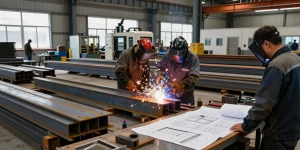
Heavy Industry and Engineering
Commercial Steel Company: Before and After — Expert Strategies…
Understanding Commercial Steel Companies
In the world of construction, commercial steel companies play a pivotal role in ensuring the structural integrity and aesthetic appeal of buildings. These companies specialize in the fabrication and installation of steel structures, providing essential services across various sectors including residential, commercial, and industrial. When exploring options, commercial steel company offerings can provide comprehensive insights into achieving quality results for your projects.
What is a Commercial Steel Company?
A commercial steel company is focused on the production and assembly of steel components that are essential for constructing buildings, bridges, and other infrastructures. These entities typically work with various grades of steel to cater to different requirements, ensuring that the products are not only durable but also suitable for their intended applications. They often serve as subcontractors for larger construction projects, providing expertise that enhances structural frameworks.
The Role of Steel in Construction
Steel is often regarded as a fundamental material in construction due to its unique properties, including strength, ductility, and versatility. Its ability to withstand significant loads while being relatively lightweight makes it a preferred choice for beams, columns, and reinforcements in high-rise buildings and commercial properties. Moreover, the steel’s longevity and resilience against environmental factors further contribute to its integral role in modern architecture. As urbanization continues to expand, the demand for steel as a vital construction material remains robust.
Key Services Offered by Commercial Steel Companies
- Steel Structure Fabrication: This includes the cutting, shaping, and assembling of steel components to form the framework of buildings and other structures.
- Custom Metalwork: Many commercial steel companies offer bespoke metal products tailored to the unique needs of their clients.
- Installation Services: The assembly and installation of fabricated steel structures on-site by skilled professionals ensure safety and compliance with relevant codes.
- Consultation: Providing expert advice on design and engineering to optimize the use of steel in construction projects.
Choosing the Right Commercial Steel Company
Selecting the right commercial steel company is crucial for the success of any construction project. A company’s reputation, portfolio, and expertise can significantly impact the quality and efficiency of the work delivered.
Factors to Consider When Selecting a Steel Fabricator
When choosing a commercial steel company, consider the following factors:
- Experience: A company with extensive industry experience typically has a proven track record of delivering high-quality projects.
- Certifications: Ensure that the company holds relevant certifications that validate their compliance with local and national construction standards.
- Portfolio: Reviewing previous projects can provide insights into the company’s capabilities and the quality of their work.
- Client References: Speaking to past clients can offer valuable perspectives on the company’s reliability and customer service.
Evaluating Company Expertise and Specializations
Each commercial steel company may have its own areas of specialization. Some may focus on heavy industrial structures, while others might excel in residential custom fabrications. Understanding these specialties can help you find a company that aligns perfectly with your project’s requirements.
Client Testimonials and Case Studies in the Steel Industry
Reading testimonials or reviewing case studies can give potential clients a clearer picture of what to expect. Successful projects often highlight how a company tackled challenges and delivered results, which can be a strong indicator of future performance.
Best Practices in Steel Fabrication
In order to stay competitive and deliver high-quality products, commercial steel companies adopt various best practices in their fabrication processes.
Cutting-Edge Techniques in Steel Work
Innovations in technology have transformed traditional steel fabrication methods. Techniques such as CNC (computer numerical control) machining, laser cutting, and robotic welding improve both precision and efficiency, enabling the creation of complex designs while reducing waste.
Quality Assurance in Commercial Steel Projects
Quality assurance is paramount in the steel industry, given the material’s critical role in structural safety. Regular inspections during fabrication and before installation ensure that all products meet strict quality standards. Companies often integrate quality management systems to track compliance and performance metrics.
Safety Standards and Regulations to Follow
Adhering to safety regulations is vital for commercial steel companies. Compliance with OSHA (Occupational Safety and Health Administration) standards, as well as local building codes, not only protects workers but also ensures that projects can proceed without legal complications.
Real-World Applications of Commercial Steel
Commercial steel plays a vital role in numerous applications across different sectors, showcasing its versatility and adaptability.
Residential Projects: Custom Fabrications and Installations
In residential construction, custom fabrications such as steel staircases, railings, and distinctive architectural features can significantly enhance a home’s aesthetics and functionality. Steel’s flexibility allows for unique designs that are both stylish and practical.
Commercial Enterprises: Structural Steel Applications
For commercial buildings, structural steel is often employed for frameworks, allowing for larger spans and open floor plans. This use is particularly evident in high-rise offices, shopping centers, and warehouses where maximizing space is essential.
Industrial Solutions: Heavy-Duty Steel Structures
Industrial applications often require heavy-duty steel structures to withstand demanding environments. Factories, power plants, and storage facilities utilize robust steel frameworks to support heavy machinery and equipment, ensuring operational efficiency and safety.
The Future of Commercial Steel Companies in 2026 and Beyond
As we look towards 2026, several emerging trends and challenges will shape the future of commercial steel companies.
Emerging Trends in Steel Fabrication Technologies
Advancements in technology are poised to revolutionize steel fabrication. Techniques such as 3D printing and augmented reality for design visualization are gaining traction, potentially streamlining workflows and enhancing collaboration among stakeholders.
Environmental Considerations and Sustainable Practices
Sustainability is becoming increasingly important in the steel industry. Companies are exploring eco-friendly production methods and using recycled materials to reduce their carbon footprint. This shift not only meets regulatory demands but also appeals to environmentally conscious clients.
Preparing for Challenges in the Steel Industry
With rapid changes in technology and market demands, commercial steel companies must remain agile. Challenges such as fluctuating steel prices and supply chain disruptions necessitate strategic planning and adaptability to maintain competitiveness.
What is the significance of commercial steel companies in construction?
Commercial steel companies are essential for the construction industry as they provide the structural backbone for buildings, ensuring safety, durability, and functionality.
How do I choose the best commercial steel company for my project?
To select the best company, consider factors such as experience, specialization, client testimonials, and adherence to safety regulations.
What are the latest trends in steel fabrication?
Current trends include the use of automation, sustainable practices, and advanced technologies like 3D printing and robotics to enhance efficiency and output quality.
What safety regulations should commercial steel companies adhere to?
Commercial steel companies must comply with OSHA regulations, local building codes, and industry standards to ensure the safety of their operations and projects.
How is sustainability impacting the commercial steel industry?
Sustainability is driving many innovations in the industry, as companies seek to reduce waste, lower energy consumption, and use recycled materials in their fabrication processes.