
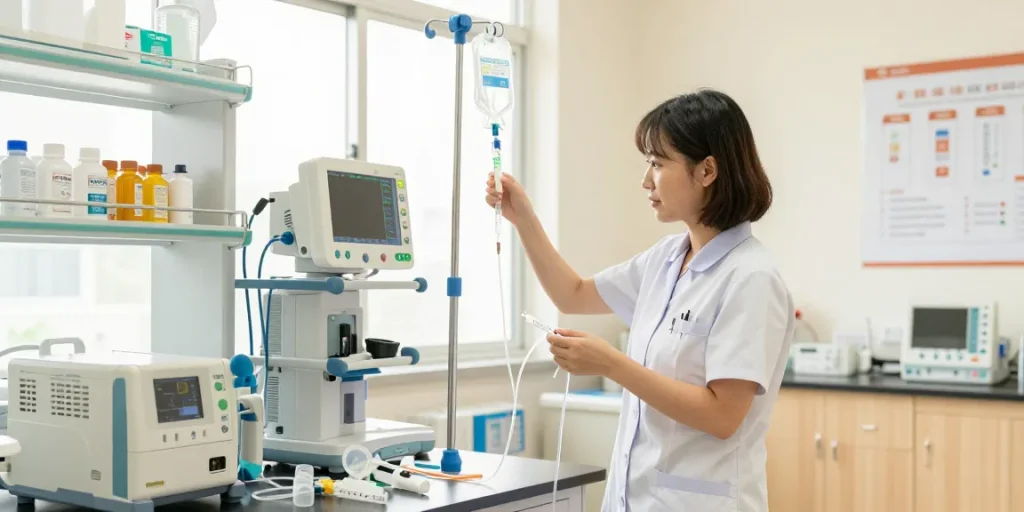
Understanding IV Supplies: Overview and Importance
Intravenous (IV) therapy is a critical component of modern healthcare, providing the means to deliver medications, fluids, and nutrients directly into a patient’s bloodstream. The use of IV supplies is essential in various medical settings, ranging from hospitals to outpatient clinics. This article delves into the various aspects of IV supplies, their importance in patient care, and the advancements shaping their future.
What are IV Supplies?
IV supplies encompass a wide range of items necessary for the effective administration of intravenous therapy. This includes equipment such as IV bags, infusion sets, needles, and catheters, all designed to ensure safe and efficient delivery of treatment. Each component plays a pivotal role in the infusion process, influencing everything from patient comfort to the effectiveness of the therapy.
Why IV Supplies are Crucial in Healthcare
The role of IV supplies in healthcare cannot be overstated. They facilitate rapid and direct delivery of therapies that can be life-saving. In critical situations, such as in emergency rooms or during surgeries, IV supplies enable healthcare professionals to administer immediate treatment, thus improving patient outcomes significantly. Additionally, IV therapy is often used for patients who cannot take medications orally due to various medical conditions, further underscoring its importance.
Common Types of IV Supplies Used in Treatments
There are several types of IV supplies commonly used across various medical fields. Understanding these components is crucial for healthcare providers:
- IV Bags: Usually made of flexible plastic, these bags contain fluids such as saline or dextrose that are infused into the patient.
- Infusion Sets: These include tubing and connectors that allow fluids to flow from the bag to the patient. They can vary in complexity depending on the treatment required.
- Needles and Catheters: These are essential for access to the patient’s vein. They must be chosen carefully to ensure both safety and comfort.
Components of IV Supplies: Detailed Breakdown
IV Bags and Fluids: Selecting the Right Options
IV bags can contain different types of fluids, depending on the treatment plan. Healthcare providers must consider the patient’s specific medical needs, such as electrolyte balance and hydration status, when selecting IV fluids. Standard options include isotonic solutions like normal saline and lactated Ringer’s solution, as well as hypertonic solutions for specific cases.
Infusion Sets: Types and Uses
Infusion sets are vital for ensuring a stable connection between IV bags and patients. They can be categorized into gravity sets, which rely on the force of gravity for flow, and electronic infusion pumps, which provide more precise control over the infusion rate. Understanding the patient’s requirements and the type of therapy being administered will guide the selection of the appropriate infusion set.
Needles and Catheters: Safety and Effectiveness
Choosing the right needles and catheters is critical for minimizing discomfort and preventing complications such as phlebitis or infection. The gauge size of the needle must be appropriate for the viscosity of the fluid being administered and the size of the patient’s vein. Furthermore, using safety-engineered devices can significantly reduce the risk of needlestick injuries.
Best Practices for Using IV Supplies in Clinical Settings
Preparation and Sterilization Procedures
Effective preparation and sterilization of IV supplies are essential to prevent infections and ensure patient safety. Healthcare providers should follow strict aseptic techniques when handling IV supplies. This includes the thorough cleaning of access ports and using sterile gloves when connecting and disconnecting IV lines.
Safe Administration Techniques
Administering IV therapy involves specific techniques to enhance patient safety and comfort. It is important to monitor the infusion rate carefully and to assess the infusion site regularly for signs of complications. Additionally, patient education about the procedure can alleviate anxiety and improve cooperation.
Monitoring Patients During IV Therapy
Close monitoring of patients receiving IV therapy is crucial for detecting any adverse reactions or complications early. Vital signs should be checked frequently, and healthcare providers must remain vigilant for symptoms such as swelling or redness at the infusion site, which can indicate issues like infiltration or infection.
Challenges and Solutions in IV Supplies Management
Supply Chain Issues: Ensuring Availability
One of the significant challenges healthcare facilities face is managing the supply chain for IV supplies. Disruptions due to various factors, such as natural disasters or pandemics, can lead to shortages, affecting patient care. Establishing strong relationships with suppliers and diversifying sources can mitigate these risks.
Addressing Common Misconceptions about IV Therapy
There are numerous misconceptions surrounding IV therapy, particularly among patients. Some believe that IV treatment is only for severe cases or emergency situations. In reality, IV therapy is frequently used for hydration, nutrient delivery, and medication administration in a variety of clinical contexts. Educating patients about the range of applications can enhance their understanding and reduce anxiety.
Innovative Solutions to Enhance Supply Management
Technological advancements are playing a significant role in improving the management of IV supplies. Automated inventory systems and predictive analytics can help healthcare facilities anticipate demand more accurately and manage stock levels efficiently. Furthermore, implementing smart IV pumps can improve patient safety by reducing the risk of medication errors during infusions.
Future Trends in IV Supplies through 2026 and Beyond
Technological Advancements in IV Supply Production
With ongoing advancements in manufacturing technologies, the future of IV supplies is poised for innovation. The rise of 3D printing has the potential to revolutionize how IV components are produced, allowing for customization and rapid prototyping of new designs that better meet patient needs.
Patient Safety Enhancements: Industry Standards
As the healthcare sector continues to prioritize patient safety, new industry standards will likely emerge to enhance the safety profile of IV supplies. These may include stricter regulations on the materials used in IV products and enhanced training protocols for healthcare professionals handling IV therapy.
Predictive Analytics in Supply Chain Management
Predictive analytics will increasingly play a role in supply chain management for IV supplies. By analyzing historical data and trends, healthcare facilities can better forecast their needs, thereby minimizing waste and ensuring that critical supplies are available when needed.
How are IV Supplies evolving for patient care?
IV supplies are evolving to become more patient-centered, focusing on comfort and ease of use. New designs aim to reduce the number of needle sticks needed for access, and advancements in adhesive materials have improved the comfort of catheters and dressings.
What are the regulations surrounding IV supply usage?
Regulations governing IV supplies are continually changing to reflect new safety findings and technological advancements. Healthcare providers must stay updated on guidelines from organizations such as the FDA, CDC, and professional societies that dictate how IV supplies should be used and monitored.
How can healthcare facilities prepare for changes in IV supply technology?
Healthcare facilities should invest in ongoing education and training for staff to prepare for changes in IV supply technology. This includes familiarizing staff with new equipment and protocols as they are adopted, as well as creating an adaptable infrastructure that can accommodate these advancements.
What role does education play in IV supply management?
Educating healthcare providers about best practices in IV supply management is paramount for enhancing patient safety and care quality. Continuous professional development programs can equip staff with the latest information about IV therapies, emerging technologies, and safety protocols.
What innovations are expected in IV supply products?
Future innovations in IV supply products may include the development of smart IV devices equipped with sensors that monitor infusion rates and detect complications in real-time. These advancements could significantly enhance patient monitoring and improve the overall administration of IV therapy.